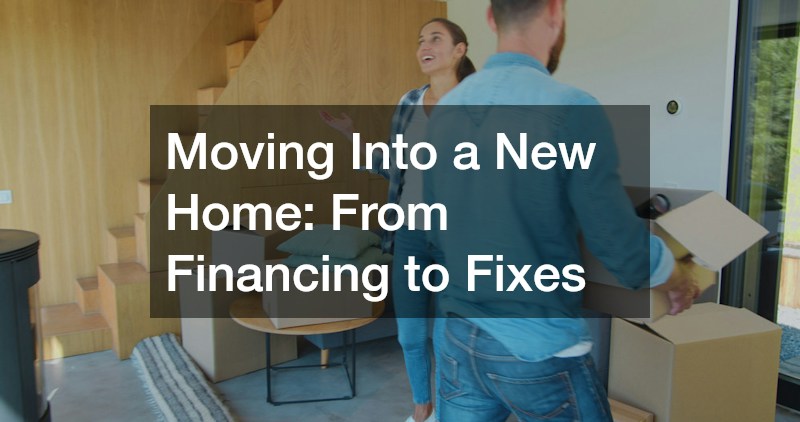

Moving into a new home marks a monumental milestone, representing both a fresh start and a major financial commitment. Transitioning from the excitement of searching for property to actually managing a household involves navigating a complex web of financial decisions, immediate repairs, and long-term upgrades. Whether buying a brand-new build or moving into a vintage property, homeownership requires a proactive approach to protect your asset, maintain comfort, and optimize long-term value.
Understanding the progression from initial financing through post-move upgrades allows homeowners to establish stability early. Every decision made during the early stages of homeownership directly impacts your financial well-being and home functionality. By tackling financial optimization, essential structural assessments, immediate repairs, and custom enhancements in a systematic manner, you can make your new house a safe, comfortable, and valuable sanctuary for years to come.
Financial Foundations and Smart Upgrades
Strategic Refinancing and Budget Allocation
Securing your mortgage is only the first step in managing long-term housing costs. Smart homeowners continuously monitor market fluctuations to identify opportunities to reduce monthly payments or shorten loan terms. Tracking current refinance rates allows you to capitalize on lower interest benchmarks, potentially saving tens of thousands of dollars over the lifetime of your loan. Lowering your interest rate even by a small percentage can free up vital monthly capital that can be redirected toward critical home improvements, emergency funds, or debt reduction.
When allocating funds after a move, it is essential to establish a dedicated home maintenance reserve alongside your routine mortgage obligations. Experts generally recommend setting aside one to two percent of your home value annually to cover unexpected fixes, regular servicing, and ongoing maintenance. Balancing your fixed financial obligations with flexible savings ensures that sudden system failures or aesthetic upgrades do not disrupt your broader financial health.
Investment Strategy for Structural Property Growth
Investing wisely in structural improvements builds equity while enhancing daily livability. Major renovations require careful financial planning to ensure that every dollar spent yields long-term return on investment. Hiring reputable home addition contractors can transform an overly compact floor plan into a spacious, highly functional living environment tailored to your growing needs. Expanding living space through room additions, finished basements, or master suite expansions consistently boosts property resale values significantly.
Before embarking on expansive structural projects, conduct a thorough cost-benefit analysis comparing immediate renovation expenses against projected equity gains. Evaluate local real estate market trends to avoid over-improving your home beyond the neighborhood standard. Working closely with licensed design-build professionals ensures that additions integrate seamlessly with the existing architecture, maintaining cohesive engineering and structural integrity throughout the structure.
Essential Immediate Inspections and Fixes
Exterior Envelope Protection and Inspection
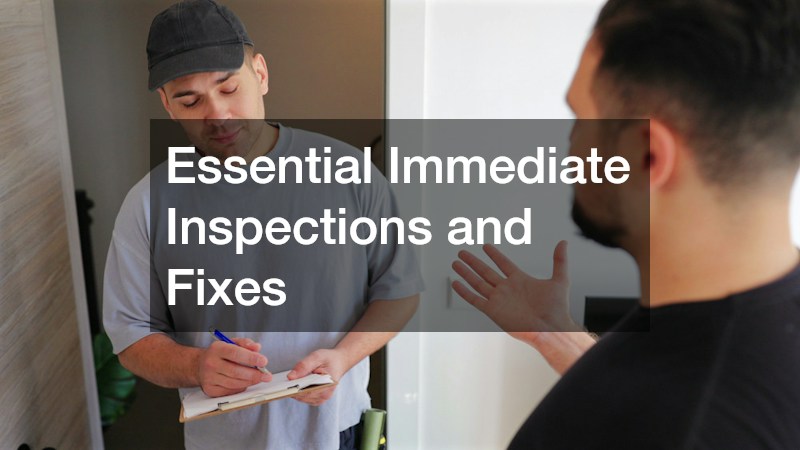
The primary defense against natural elements lies in the integrity of your roof and external envelope. Conducting a detailed inspection of shingles, flashing, gutters, and downspouts immediately after moving in prevents costly interior water damage and structural decay. Engaging a qualified residential roofer helps identify subtle vulnerabilities such as hidden leaks, degraded underlayment, or compromised flashing before small defects turn into catastrophic repairs.
Maintaining structural integrity requires routine clearing of gutters and keeping overhanging trees trimmed away from roof surfaces. Promptly replacing missing, cracked, or wind-damaged shingles extends the lifespan of your roofing system. Incorporating routine biannual roof evaluations into your seasonal maintenance schedule preserves your property envelope, ensures effective weatherproofing, and protects the valuable interior spaces directly below.
Interior Wall Care and Finishing Excellence
Moving furniture, hanging artwork, and repairing minor structural settling often leave walls scuffed, punctured, or uneven. Sound wall construction is crucial not only for aesthetics but also for fire resistance, sound dampening, and interior insulation. Partnering with skilled custom home drywall contractors ensures seamless patching, expert taping, and flawless finishing, turning blemished surfaces into immaculate canvases for modern interior design.
Addressing wall repairs systematically prevents moisture from seeping into hidden wall cavities and causing structural decay. Inspect high-traffic zones, hallways, and entryways for impact damage caused during move-in day. Applying high-quality primer and professional-grade paint over properly prepared, smooth drywall seals interior surfaces, boosts ambient room lighting, and establishes a polished design tone across every room in your home.
Plumbing and Environmental Optimization
Whole-House Water Quality Enhancements
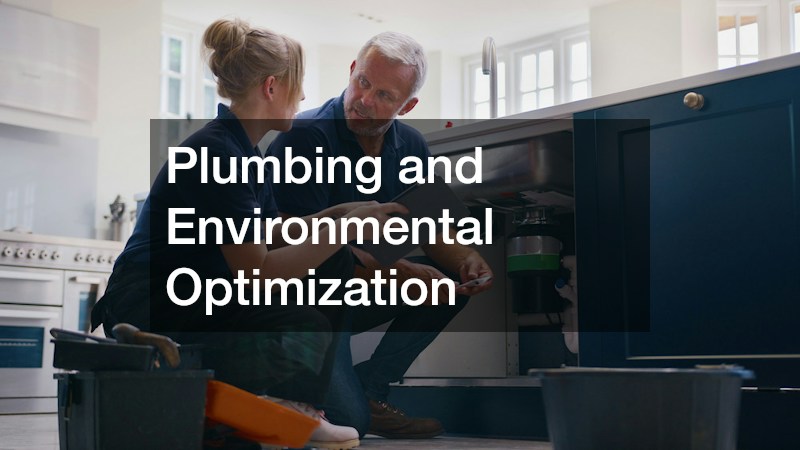
Water quality directly impacts family health, internal plumbing systems, and household appliance longevity. Unfiltered tap water frequently contains elevated concentrations of chlorine, heavy metals, industrial minerals, and chemical residues that degrade pipes over time. Installing comprehensive whole home water filtration systems removes harmful contaminants right at the main supply point, delivering clean, purified water through every single faucet in your home.
High-purity water prevents mineral scale buildup inside water heaters, dishwashers, and washing machines, significantly extending their operational lifespans. Additionally, filtered water protects sensitive plumbing fixtures from corrosion and mineral staining, maintaining their appearance and functionality. Investing in robust filtration upgrades improves daily drinking and cooking water quality while reducing long-term maintenance costs associated with premature pipe degradation.
Emergency Water Damage Recovery Protocols
Unforeseen plumbing failures, burst pipes, and unexpected storm flooding demand swift, decisive intervention to safeguard living spaces. Unaddressed moisture penetration rapidly breeds toxic mold, damages structural framing, and ruins finished subfloors. Contracting prompt restoration services mitigates structural decay by employing commercial-grade dehumidifiers, industrial moisture meters, and specialized water extraction equipment.
Establishing an immediate remediation plan prevents secondary environmental hazards from taking hold within structural framing. Ensure that every household member knows the precise location of the primary water shutoff valve to minimize damage during sudden plumbing emergencies. Acting within twenty-four hours of water exposure saves thousands of dollars in replacement materials and protects indoor air quality from harmful fungal spores.
Modernizing Electrical Systems and Energy Management
Upgrading Electrical Service and Capacity
Older properties and even standard builder-grade homes often lack the electrical capacity required for modern lifestyles. As household technology advances, energy demands increase significantly with high-power appliances, home automation hubs, and electric vehicle charging equipment. Updating your electrical panel and distribution system early prevents safety risks, such as circuit overload, flickering lights, and potential electrical fires. Modernizing your panel to support higher amperage ensures that your electrical infrastructure safely accommodates current household usage while anticipating future technological additions.
Partnering with licensed electrical professionals allows you to assess circuit loads, replace outdated wiring, and install dedicated outlets where they are needed most. Integrating smart electrical panels and surge protectors safeguards sensitive home electronics against sudden power spikes during severe weather events. Strategic electrical planning provides peace of mind, improves overall energy distribution efficiency, and supports heavy-duty home improvements across every room in your residence.
Maximizing Energy Efficiency and Climate Control
Maintaining a comfortable indoor environment year-round requires an efficient heating, ventilation, and air conditioning system paired with proper insulation. Inefficient climate control systems lead to inflated utility bills, uneven room temperatures, and unnecessary strain on mechanical equipment. Conducting an energy audit shortly after moving in highlights hidden air leaks around windows, doors, ductwork, and attic access points, enabling targeted sealing and insulation upgrades.
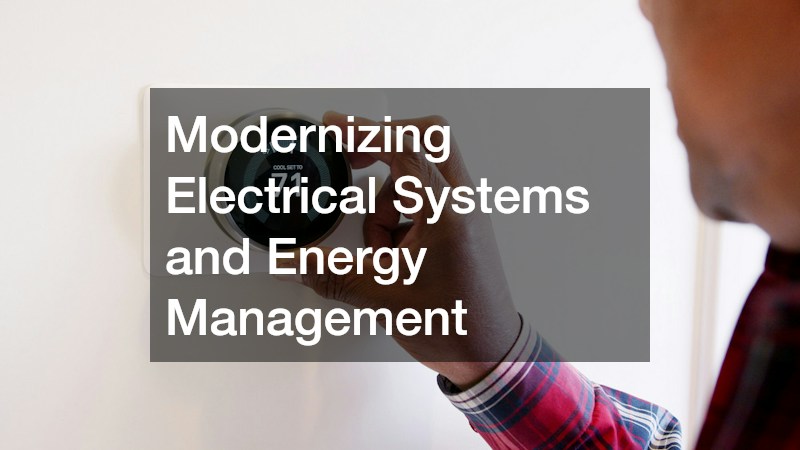
Upgrading to programmable or smart thermostats gives you precise control over heating and cooling schedules, reducing energy consumption when rooms are unoccupied. Replacing worn weatherstripping, adding blown-in insulation to attic spaces, and sealing leaky air ducts significantly decreases seasonal HVAC workloads. These sustainable energy enhancements lower monthly operational expenses, create a balanced indoor climate, and promote long-term environmental sustainability.
Interior Revitalization and Spatial Upgrades
Transforming the Culinary Hub
The kitchen serves as the primary epicenter of home activity, social gatherings, and daily routines. Outdated layouts, inefficient storage, and worn surface finishes can hinder functionality and diminish overall residential enjoyment. Undertaking a full kitchen remodeling project modernizes cooking spaces, maximizes functional layout flow, updates cabinet storage, and introduces energy-efficient modern appliances tailored to contemporary culinary lifestyles.
Designing an optimal culinary layout involves creating intuitive workflows between the refrigerator, sink, and cooking range. Incorporating durable countertop materials, such as quartz or granite, delivers both visual appeal and high heat resistance. Strategic placement of task lighting, pull-out cabinetry, and multi-functional kitchen islands optimizes spatial efficiency, transforming your kitchen into a luxurious, highly productive environment for family life and entertaining guests.
Expanding Household Functional Space
As family dynamics evolve, households often require multi-purpose living environments suited for remote work, exercise, or multi-generational living. Reallocating unused interior square footage, such as converting dark attics or raw basements into habitable living areas, optimizes home functionality without expanding the physical footprint. Working alongside a certified home builder service ensures that structural framing, electrical load distribution, and egress pathways fully comply with local building safety codes.
Maximizing spatial utility involves designing flexible, adaptable floor plans that evolve alongside household needs over time. Integrating built-in storage solutions, sound-dampening insulation, and dedicated climate control zones maximizes comfort across secondary living spaces. Transforming neglected areas into functional offices, recreational rooms, or guest suites adds valuable usable square footage while enhancing daily domestic versatility and property marketability.
Comprehensive Outdoor and Landscape Maintenance
Soil Management and Drainage Solutions
Protecting your foundation requires proper site grading and efficient outdoor drainage management. Water that pools around external walls can seep into basements, cause concrete slab settling, and weaken structural foundations over time. Assessing your property landscape during heavy rainfall reveals surface runoff patterns, identifying low spots or poor soil slopes that direct water toward, rather than away from, the house structure.
Implementing effective drainage systems, such as French drains, catch basins, or extended downspout diffusers, redirects excess rainwater safely into proper runoff zones. Regrading perimeter soil so that it slopes away from the foundation prevents moisture build-up along exterior walls. Investing in ground drainage infrastructure safeguards your property against foundation movement, prevents subterranean leaks, and protects long-term structural value.
Landscape Design and Hardscape Longevity
Outdoor living spaces expand functional square footage and dramatically enhance property curb appeal. Designing low-maintenance landscaping with native plants reduces water usage, minimizes chemical fertilizer requirements, and keeps outdoor spaces looking vibrant year-round. Integrating functional hardscape elements, such as stone patios, retaining walls, and paved walkways, transforms unutilized yard spaces into versatile areas for outdoor entertaining and relaxation.
Maintaining hardscapes involves applying sealants to stone surfaces, filling paver joints with polymeric sand, and inspecting retaining structures for signs of soil pressure displacement. Proper lawn maintenance, routine shrub pruning, and keeping mulch away from exterior siding deter common pests from approaching your home. Thoughtfully designed, well-maintained outdoor environments elevate daily residential enjoyment while making a lasting positive impression on visitors and prospective buyers alike.
Operational Efficiency and Logistics Management
Streamlining Relocation Dynamics
The physical process of relocating belongings across towns or state lines demands meticulous coordination, organization, and logistical oversight. Mismanaged moves often result in damaged furniture, lost documents, elevated stress levels, and unnecessary financial expenses. Hiring reputable moving services ensures that heavy furniture, fragile electronics, and valuable household heirlooms are securely packed, padded, and transported by experienced logistical professionals.
Organizing a seamless relocation requires systematically cataloging inventory, labeling boxes by target destination rooms, and scheduling logistics well ahead of time. Delegating physical transport to licensed professionals reduces personal physical strain and frees up crucial time for managing utility transfers, address updates, and immediate home setup. A structured, professional relocation sets a positive, stress-free operational tone for your entire homeownership transition.
Creative Pantry Prep and Household Maintenance
Setting up an organized household pantry immediately after moving in creates a comfortable environment for managing family meal preparation. Stocking up on non-perishable staples in bulk minimizes frequent grocery trips during those chaotic initial weeks. Sourcing high-quality wholesale ingredients allows homeowners to prepare nutritious, cost-effective meals at home while focusing energy on unpacking, organizing rooms, and managing ongoing house repairs.
Beyond food prep, establishing centralized storage systems for maintenance supplies, cleaning chemicals, hardware tools, and spare replacement filters ensures seamless daily operations. Labeling storage bins, organizing utility closets, and creating dedicated spaces for seasonal supplies eliminates clutter and saves valuable time. Maintaining an orderly, well-stocked household infrastructure reduces domestic stress and empowers family members to manage ongoing property upkeep efficiently.
Managing a smooth transition into a new property requires balancing smart financial planning, immediate structural repairs, and targeted interior upgrades. By prioritizing essential roof inspections, water filtration setups, wall restorations, and functional interior modernizations, you lay down a solid foundation for long-term comfort and property appreciation. Systematically tackling home care tasks transforms a demanding transition into an empowering, rewarding journey toward crafting your ideal living environment.