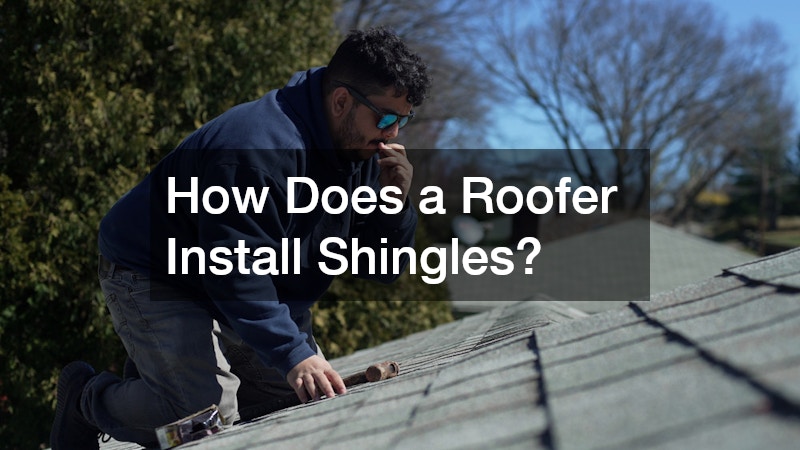

Roof installation is a critical component of home construction, impacting both the property’s aesthetic and structural integrity. Professional roof installation ensures longevity and effectiveness, preventing leaks and enhancing energy efficiency. Various materials and techniques are employed, with shingles being among the most popular due to their durability and cost efficiency. Roofing professionals bring expertise and experience, which guarantees a high-quality installation that can resist adverse weather.
1. What Preparations Are Needed Before Installing Shingles?
Before shingle installation, roofers must thoroughly inspect the roof structure to ensure it is sound and capable of supporting the new shingles. This step often involves checking for any existing damage, such as rot, mold, or structural weaknesses, which could compromise the installation.
Once the assessment is complete, any necessary repairs are made. Proper preparation includes cleaning the roof surface by removing debris, previous roofing material remnants, and ensuring a dry surface to facilitate the shingles’ adherence. Additionally, safety precautions must be in place, such as securing ladders and wearing necessary safety gear to prevent accidents during installation.
Another preparation aspect involves measuring and ordering the correct amount of roofing materials based on the roof’s square footage. Accurate measurements help ensure cost-effectiveness, preventing excess material purchase and wastage. Roofers also need to account for material overlaps, architectural elements, and roofing style preferences. Scheduling is equally crucial, as weather conditions heavily influence shingle installation. Ideally, installations are planned for dry, mild-weather days to avoid potential issues like moisture traps that can occur in wet conditions.
Moreover, understanding local building codes and acquiring necessary permits is vital in the preparation phase. This ensures compliance with regulations and avoids future disputes or penalties. Roofers often advise on the best materials and styles, considering the client’s budget and the geographical climate conditions. With proper preparation, the chances of a flawless installation significantly increase. Thorough preparatory actions also set the groundwork for increased roof longevity and effectiveness, safeguarding the structural integrity of the building for years to come.
2. How Is the Layout Planned for Shingle Installation?
The layout plan is a crucial step to ensure an efficient and visually appealing shingle installation. Roofers begin by drawing out a plan on graph paper, capturing the dimensions and any unique architectural features. This planning phase includes determining the predominant wind direction, which influences the starting point of the shingle laying process. Understanding and incorporating these elements help avoid unsightly gaps and overlaps that can lead to water leakage. A thorough layout plan is integral to achieving the straight, even lines that characterize a professional roofing job.
Chalk lines are frequently used by roofers as a guide to ensure shingles are laid in a straight and orderly fashion. Marking the roof with chalk ensures coherent alignment and prevents common issues like drifting. Furthermore, precise shingle placement is necessary for weatherproofing; therefore, incorporating starter strips and ensuring adequate overlap between rows are vital aspects of the layout planning. Roofers also account for roof pitches, ensuring that shingles are appropriately laid to handle the angle and potential runoff. Attention to detail during layout planning greatly enhances the roof’s aesthetics and durability.
Involving the homeowner in layout planning might also occur, particularly if there is a specific pattern or design they wish to achieve. Roofers address these preferences within the constraints of effective coverage and practicality. Special consideration is given to areas with protrusions like chimneys and skylights, requiring custom cutting and waterproofing solutions. By planning meticulously, roofers set the stage for a smooth installation process, reinforcing the importance of planning to achieve a seamless, uniform finish. Ultimately, a well-executed layout ensures both functionality and curb appeal for the completed roof.
3. What Are the Steps Involved in Shingle Installation?
The shingle installation process starts with the application of a waterproof underlayment across the entire roof area. This layer serves as a barrier against moisture infiltration, protecting the roof deck from potential water damage. Roofers then proceed with the installation of starter strips along the roof’s edges, providing extra protection against wind uplift. Once these preliminary steps are complete, shingles are laid from the bottom edge upwards, ensuring each new row overlaps the previous one to effectively channel water off the roof. This overlapping method is crucial to the roof’s overall performance and longevity.
Roofers meticulously nail the shingles into place following manufacturer guidelines, usually with four to six nails per shingle, depending on the expected weather conditions of the area. Each nail is positioned to maximize holding power and ensure the shingles remain securely attached. The overlap between shingle rows also helps hide the nails and protect them from the elements. As roofers advance towards the roof peak, extra attention is given to areas around vents, chimneys, and valleys. These parts involve intricate cuts and additional waterproofing methods to guarantee a satisfactory seal against water ingress.
Finishing touches involve trimming and fitting ridge caps along the roof’s peak to complete the coverage and protect against rain infiltration at the apex. Upon completion, roofers perform a thorough inspection to ensure there are no anomalies and all shingles are securely affixed. They also clean the site of any debris or leftover materials to present a tidy finish. This comprehensive installation process, from underlayment to final inspection, underscores the complexity and expertise required in professional roofing. A correctly installed shingle roof can withstand the rigors of weather and time, offering functionality and protection.
4. What are Common Challenges in Shingle Installation?
One major challenge roofers face is weather unpredictability, which can delay installations and lead to complications with wet surfaces and improper adhesion. Roofers must constantly monitor weather forecasts to plan installations on dry days, which is not always feasible in regions with volatile weather conditions. Moreover, sudden weather changes can occur mid-installation, requiring quick adjustments or halts in the process. In these scenarios, roofing professionals must be prepared to secure materials and prevent water ingress until conditions are suitable to continue. Thus, flexibility and adaptability become integral skills for roofers.
Roof complexity presents another significant challenge, especially for roofs with multiple angles, steep pitches, or numerous features like skylights and chimneys. Each unique architectural element requires custom cuts and specialized installation techniques to ensure complete coverage and prevent leaks. Roofers must possess a high level of craftsmanship to address these complexities without compromising the roof’s effectiveness. Projects with challenging layouts inherently involve more labor, material, and time investment, emphasizing the importance of experience and planning in the roofing process.
Material issues such as defective shingles or underlayment can create unforeseen complications. Even the slightest inconsistency or flaw in materials can lead to premature roof failure or extensive future repairs. It is crucial for roofers to thoroughly inspect all materials prior to the commencement of installation. Overcoming these challenges necessitates diligence, attention to detail, and a commitment to quality, ensuring peace of mind for homeowners. Addressing these hurdles effectively ensures the completion of a durable, reliable roof that delivers long-term performance and satisfaction.
5. How Do Roofers Ensure Quality and Longevity of Installed Shingles?
To ensure quality and longevity, roofers must adhere to best practices during the installation process, which include following manufacturer guidelines and local building codes meticulously. Quality assurance begins with selecting high-grade, durable shingles that withstand the specific climate conditions of the area. Roofers then execute the installation with precision, paying close attention to the details that enhance water tightness and wind resistance. Regular post-installation maintenance and inspections further bolster shingle longevity by identifying potential issues early before they escalate into costly repairs. A systematic approach underpins roofing reliability and homeowner satisfaction.
Roofers also invest in quality tools and advanced techniques to fortify the installation process. Advanced roofing tools ensure accurate alignment, precise cuts, and secure fastening, all of which contribute significantly to the roof’s durability. Continuous professional development and training in the latest roofing technologies and methods also equip roofers with the expertise needed for high-quality installations. Employing innovative solutions and equipment facilitates overcoming on-site challenges efficiently. By staying abreast of industry advancements, roofers fortify roof installation practices, assuring superior outcomes and customer confidence in the roof’s enduring performance.
Moreover, fostering open communication with homeowners regarding proper maintenance practices and realistic expectations on roof longevity is crucial. Educating clients on cleaning gutters, monitoring for damage, and the benefits of regular professional inspections can significantly prolong the roof’s lifespan. Roofers often offer warranty services that provide added assurance and investment protection, reinforcing the value derived from professional installation. Ultimately, the collaboration between skilled roofers and informed homeowners forms the foundation for achieving a robust shingle roof that excels in functionality and longevity.
From preparation to completion, roofing demands careful attention to detail, specialized skills, and adherence to industry standards to achieve long-lasting results. The involvement of skilled professionals not only guarantees seamless installations but also fortifies the roof against environmental challenges. Maintenance and open communication between roofers and homeowners are vital in sustaining a roof’s integrity and performance. Through dedicated craftsmanship and a meticulous approach, professionals can deliver roofing solutions that offer protection, aesthetic appeal, and peace of mind.