
A proper roofing inspection is crucial for maintaining the integrity and lifespan of your roof. Homeowners often have many questions regarding what a thorough inspection entails. This article will address the most common inquiries and provide a detailed overview of the process. By understanding these procedures, homeowners can better protect their investment and ensure that their roofs withstand various weather conditions.
This guide will demystify the inspection process and highlight its importance.
Why is Regular Roofing Inspection Important?
Regular roofing inspections are vital to the maintenance and longevity of any home. They help in identifying potential issues early, which can prevent expensive repairs or replacements down the line. Inspections address common issues such as leaks, structural weaknesses, and material degradation in a timely manner. These proactive measures result in significant savings by avoiding costly emergency repairs. Ultimately, regular inspections provide homeowners peace of mind knowing their roofs are in optimal condition.
Through regular inspections, underlying issues that aren’t immediately apparent can be discovered. For instance, moisture buildup and mold growth might not be visible until they cause substantial damage. Inspectors can detect these problems early, ensuring they are remedied swiftly. Additionally, inspections ensure compliance with local building codes and regulations, which is crucial for insurance purposes. Having documentation of regular inspections can thus protect homeowners financially in case of future claims.
Moreover, roofs that undergo regular inspections often have a longer lifespan. This longevity is because routine checks ensure that minor problems do not escalate into significant issues. Regular upkeep can improve the energy efficiency of a home by ensuring the roofing material functions optimally. By maintaining the aesthetic appeal and structural soundness of the roof, homeowners can preserve their property’s value. In combination, these factors underscore the importance of regular roofing inspections.
What Are the Key Components Checked During a Roofing Inspection?
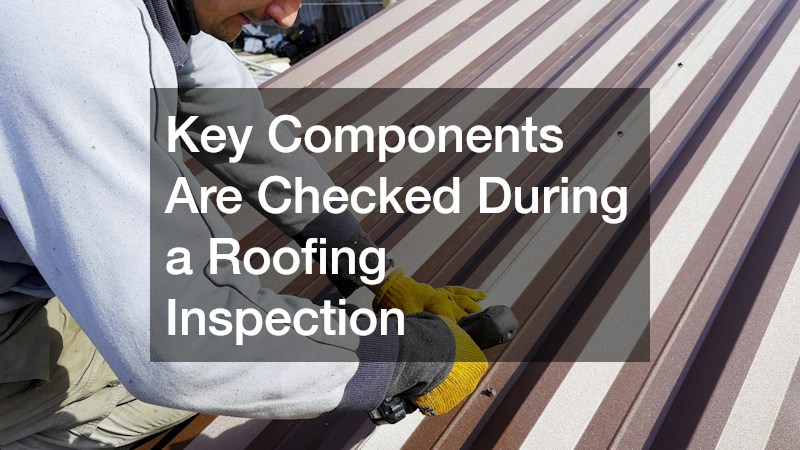
During a roofing inspection, several key components are rigorously examined to ensure the roof’s health and performance. First among these is the condition of the roofing material itself. Inspectors look for any signs of wear and tear, such as cracks, missing shingles, or curling. These signs indicate potential vulnerabilities that could lead to leaks or structural damage if left unaddressed. It’s essential that all materials are intact and adequately secure to provide adequate protection against the elements.
Another critical component examined is the drainage system of the roof. Gutters, downspouts, and other drainage channels are scrutinized for blockages or damage. Proper functioning of these systems is essential to prevent water accumulation that could lead to leaks or weaken the roofing structure. An effective drainage system is an integral part of roof longevity and building safety. Inspectors also evaluate flashing and seals, typically found around vents and chimneys, to ensure there are no gaps or signs of deterioration.
Finally, the structural integrity of the roof is assessed. This includes checking the underlying roof support, looking for signs of sagging or uneven surfaces that might indicate weakness. Additionally, inspectors may examine the attic space for signs of water intrusion or mold, which can suggest roofing issues. It’s crucial to maintain structural soundness to prevent potential roof collapse. By evaluating these components, the inspection provides a comprehensive overview of the roof’s current condition.
How Often Should a Roof Be Inspected?
Ideally, roofing inspections should be conducted at least once a year. However, certain factors may necessitate more frequent checks. For example, after severe weather events such as hurricanes or heavy snowfalls, an inspection is strongly recommended. These inspections help to identify any storm-related damages or weaknesses that need immediate attention. Even if no visible damage is apparent, underlying issues could still be present and need professional evaluation.
The age of the roof also plays a significant role in determining inspection frequency. Older roofs, generally those older than ten years, may require bi-annual inspections to monitor their condition closely. As materials age, they become more susceptible to damage, making regular monitoring essential. Frequent inspections can help to extend the lifespan of an older roof through timely interventions. Routine checks ensure that any deterioration is addressed before it worsens.
Geographical location and climate also factor into the necessary frequency of inspections. Homes located in regions prone to extreme weather conditions or particular environmental factors, like saltwater corrosion near coastal areas, may need more frequent assessments. Additionally, checking roofs in high-temperature areas can be crucial, as heat can cause materials to expand and contract, leading to quicker wear. Tailoring the inspection schedule to these conditions helps ensure ongoing roof integrity and performance.
Who Should Perform a Roofing Inspection?
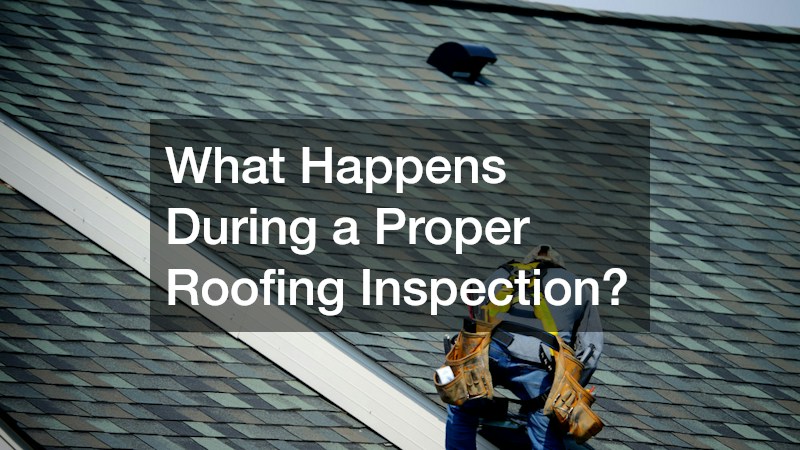
Roofing inspections should be performed by qualified professionals. These experts have the necessary training and expertise to identify potential issues that an untrained eye might overlook. Professional inspectors carry specialized tools to conduct a thorough evaluation of all roof components. They are also knowledgeable about various roofing materials and techniques, ensuring a comprehensive inspection. Relying on professionals reduces risk, as they have safety training for working at heights and prevent potential accidents.
Hiring a certified roofing contractor or inspection specialist ensures the assessment is both detailed and accurate. Such professionals come equipped with the experience to recognize different styles and ages of roofing and their unique needs. They can offer tailored maintenance advice based on their findings, enhancing the roof’s durability. The documentation provided by certified inspectors while conducting evaluations is invaluable for maintaining service records. These records can be crucial for warranty claims or transactions such as selling a property.
DIY inspections are discouraged due to the significant risks and potential for oversight. While a homeowner might conduct brief visual surveys from the ground level to spot obvious issues, climbing onto the roof without proper experience and equipment is dangerous. It’s also important to note that damage can be missed without the trained insight of a professional. Using a skilled inspector ensures all aspects are checked thoroughly and safely. The cost of hiring a professional is justified by the comprehensive and risk-free assessment provided.
What Happens After the Roofing Inspection?
After a roofing inspection, the inspector will compile a detailed report of their findings. Homeowners can expect a comprehensive assessment that includes photos, notes, and recommendations for any required maintenance or repairs. This report serves as a roadmap for addressing identified issues in a prioritized manner. It’s an excellent tool for homeowners to plan maintenance budgets and schedules efficiently. After reviewing the report, immediate action may be necessary to address critical areas.
The inspector typically provides a checklist of suggested actions, detailing tasks ranging from minor maintenance to more urgent repairs. It’s crucial to act upon these suggestions promptly to prevent further deterioration. For example, fixing small leaks can prevent water damage that may lead to more significant structural issues. Timely repairs maximize the roof’s performance and contribute to the home’s overall safety and comfort. Homeowners should seek quotes from trusted contractors to address any urgent repairs.
Maintaining a proactive maintenance routine following the initial inspection is equally important. Scheduling the recommended follow-up inspections ensures any resolved issues have been rectified effectively. Consistent maintenance not only prolongs the roof’s lifespan but also keeps potential resale values high due to maintained curb appeal. Homeowners should remember that roofing is a significant investment, and caring for it diligently contributes to lower long-term costs. Establishing a relationship with a reliable roofing professional ensures quick responses to any future concerns.
Proper roofing inspections are pivotal for maintaining the safety and longevity of any home. Regular checks preemptively address potential issues, enhance roof performance, and provide peace of mind to homeowners. The significance of these inspections cannot be overstated, with potential savings in repair costs and extended roof longevity being primary benefits. Homeowners are encouraged to integrate regular roofing inspections into their home maintenance routines. By doing so, they ensure the ongoing protection and comfort of their living environments.