
Understanding the intricacies of heating and cooling systems in your home is essential for comfort, efficiency, and longevity. With the right knowledge, you can select systems that best fit your home’s needs, maintain them to prevent breakdowns, and recognize when upgrades are necessary. This comprehensive guide will walk you through the process of choosing, maintaining, and improving your HVAC systems, ensuring you make informed decisions every step of the way.
1. How to Choose the Right Heating and Cooling System?
Choosing the right heating and cooling system starts with evaluating the size and layout of your home. A proper assessment ensures that you choose a system that offers adequate coverage without overworking.
Consultation with an HVAC professional can provide insights that are crucial for making an informed decision. Considering the efficiency ratings, such as the SEER (Seasonal Energy Efficiency Ratio) for air conditioners, is also vital. High-efficiency models, while initially more expensive, can save you money on energy bills in the long run.
Additionally, it’s important to consider the climate in which you reside, as it will influence the type of system you’ll need. In regions with harsh winters, a robust heating system is non-negotiable, while in milder climates, a standard system may suffice. For those living in hot and humid environments, investing in an efficient cooling system is essential. Look for systems with Energy Star certifications, as they meet or exceed energy efficiency standards. Your choice should also take into account future maintenance and operating costs.
Lastly, consider the environmental impact of the heating and cooling systems you choose. Modern HVAC systems are increasingly designed to reduce carbon footprints while providing optimal comfort. Look into geothermal systems, heat pumps, and other eco-friendly options that not only benefit the environment but also offer cost savings through tax rebates and incentives. The balance between upfront cost, operational efficiency, and environmental responsibility should guide your selection process. Having the right system in place will ensure comfort and efficiency for years to come.
2. What Regular Maintenance is Required for HVAC Systems?
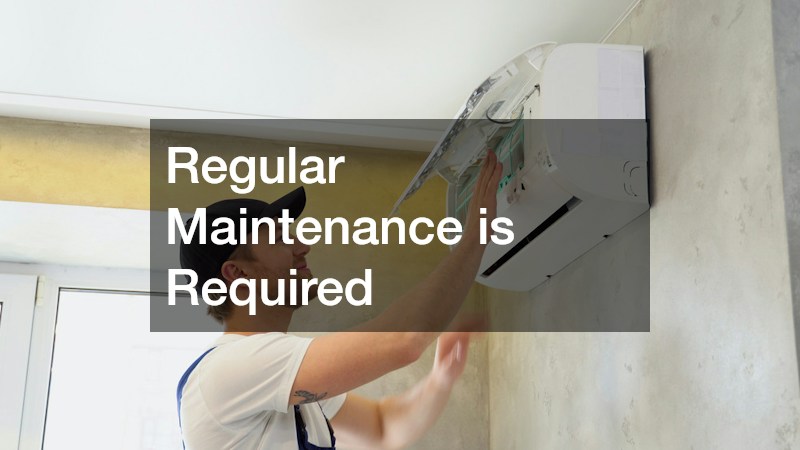
Regular maintenance of HVAC systems is crucial to ensure they operate efficiently and last longer. One critical maintenance task is changing air filters regularly, typically every one to three months. Clogged filters can lead to reduced airflow and increased energy consumption. Additionally, having your ductwork inspected for leaks once every few years can prevent loss of conditioned air and improve efficiency. Professional tune-ups twice a year, ideally before the heating and cooling seasons, help catch potential issues early.
In addition to routine inspections, keeping the area around your HVAC unit clean is essential. Remove debris, leaves, and dirt from around the outdoor unit to ensure proper airflow. Check for and remove any plant growth that may obstruct the system’s operation. For the indoor components, ensure that vents are not blocked by furniture, curtains, or other obstructions. This helps in maintaining an even distribution of conditioned air throughout your home.
Moreover, regular maintenance should include checking for unusual noises or odors coming from your HVAC system. These can be early indicators of mechanical issues that, if addressed promptly, can prevent more costly repairs. Calibrating your thermostat to ensure accurate temperature readings is another part of regular maintenance. Finally, consider enrolling in a maintenance plan with an HVAC company that includes scheduled checks, discounts on repairs, and priority service. Consistent maintenance not only improves efficiency but also extends the system’s lifespan.
3. What are the Signs that My System Needs Repair?
Recognizing the warning signs that your HVAC system needs repair from heating and cooling services can save you from unexpected breakdowns and costly emergency services. One of the most common signs is a noticeable increase in your energy bills without a change in usage patterns. This often indicates that your system is working harder than necessary to maintain the desired temperature. Similarly, if the system frequently cycles on and off or runs continuously, it may need repair or recalibration. Listening for unusual noises, such as grinding or squealing, can also alert you to potential problems.
Additionally, inconsistent temperatures throughout your home suggest that your system is struggling to distribute air evenly. This can be caused by issues such as a failing compressor, incorrect thermostat settings, or blocked ducts. Another clear indicator of repair needs is poor air quality, including excessive dust or an increase in indoor humidity levels. These can point to issues such as leaks in ductwork or problems with air filtration. Addressing these issues promptly can improve not only comfort but also air quality in your home.
Lastly, if you notice unusual smells coming from the vents, like a burning or musty odor, it’s time to call a professional. A burning smell may indicate electrical issues, while a musty odor could signify mold growth. Paying attention to such signs and addressing them immediately is vital for the system’s integrity and safety. Regular professional inspections can also pre-emptively catch these signs. Acting quickly when you notice these indicators can prevent minor issues from escalating into major repairs.
4. How Can I Improve the Efficiency of My Heating and Cooling System?
Improving the efficiency of your home’s heating and cooling systems can significantly reduce energy bills and improve comfort. Installing a programmable thermostat is one of the easiest and most effective ways to manage energy consumption. These thermostats automatically adjust the temperature based on preset schedules, like reducing heating or cooling when you are asleep or out of the house. Investing in a smart thermostat can further enhance efficiency with features like learning your habits and being controllable remotely via smartphone apps.
Another strategy for boosting efficiency is ensuring your home is well-insulated. Proper insulation minimizes heat loss in the winter and keeps cool air inside during the summer. Sealing air leaks around doors and windows, and adding weatherstripping is relatively affordable yet effective. Additionally, using energy-efficient windows and minimizing the use of heat-generating appliances during hot days can further support efficient system operation. These changes work alongside your HVAC system, reducing the overall energy required to maintain comfort.
Moreover, regular maintenance and timely upgrades to ductwork and system components enhance efficiency. Cleaning ducts and ensuring they are well-sealed prevents air loss. Replacing old equipment with high-efficiency models not only improves performance but also minimizes operating costs. For those seeking complete environmental responsibility, considering alternative energy solutions like solar-assisted HVAC components can be a beneficial investment. Each step toward efficiency translates to savings and promotes sustainability in home heating and cooling.
5. When Should I Consider Replacing My HVAC System?
Replacing your HVAC system is a significant but sometimes necessary investment, especially when repairs are insufficient. Typically, systems older than 15 years may no longer operate efficiently, leading to increased energy bills and frequent repairs. If you find yourself needing to constantly fix your HVAC, replacement might be a cost-effective solution. Additionally, technological advancements in HVAC systems mean that newer models often outperform older systems in terms of energy efficiency and environmental friendliness.
An increase in repair frequency and cost is a strong indicator that system replacement should be considered. Often, these expenses add up quickly and can equate to the cost of a new system in a short period. If your system struggles to maintain a comfortable temperature or exhibits persistent issues even after repairs, it might be time for a replacement. Newer systems not only improve comfort and efficiency but also offer the latest features, which can include better controls and quieter operation.
Ultimately, replacement should be carefully considered as part of a long-term investment plan for your home. Conducting a full cost-benefit analysis, including potential energy savings, rebates, and incentives, can guide the decision. Consulting with experienced HVAC professionals who can evaluate your current system and recommend suitable options is invaluable. When planned properly, replacing your system can result in reduced energy consumption, lower utility bills, and enhanced home comfort. Balance the immediate cost with the long-term benefits to make the best decision for your home.
In summary, selecting the appropriate heating and cooling system for your home requires consideration of climate, energy efficiency, and environmental impact. Consistent maintenance and awareness of system performance are vital in sustaining efficiency and extending the system’s life. By recognizing signs of wear and opting for timely repairs or replacements, you can ensure sustained comfort and savings on energy bills. Implementing efficiency-improving measures enhances overall system performance, benefiting both your wallet and the environment. With informed choices and proactive measures, managing your home’s climate control becomes a seamless aspect of homeownership.